
Every year around this time, the same question starts doing the rounds in India households: is this the right time to buy gold, or should we wait a little longer? Gold prices have been sitting at record highs through most of 2026, and that alone has made a lot of buyers nervous about timing their Dhanteras and Diwali purchases.
Here's the thing though. Gold buying during Dhanteras isn't really about catching the lowest price of the year. It never has been. It's about tradition, about starting the festival season with something auspicious in the house, and honestly, about picking a piece you'll actually enjoy wearing later. Once you separate the "investment" question from the "what should I buy" question, the whole process gets a lot less stressful.
We put this guide together for exactly that reason. If you're planning your Dhanteras or Diwali shopping this year, here's what actually matters.
Why Dhanteras Gold Buying Still Holds Its Ground
Dhanteras marks the beginning of the five-day Diwali celebration, and buying gold, silver, or new utensils on this day is believed to invite prosperity into the home for the year ahead. It's one of those traditions that has survived generations without losing steam, and if anything, younger buyers today are just as particular about it as their parents were.
What has changed is how people buy. A decade ago, most families walked into a showroom, picked something heavy, and called it done. Now buyers walk in with a rough budget, a category in mind, and questions about certification, resale, and design flexibility. That's a healthier way to shop, and it's worth carrying into this year's Dhanteras plans too.
Should You Wait for Gold Prices to Drop?
Short answer: probably not, if Dhanteras buying is on your calendar regardless. Gold has been volatile through the year, and trying to time a festival purchase around daily rate movements usually ends in either overthinking or missing the auspicious window altogether.
A more practical approach is to decide your budget in grams rather than rupees. If you know you want to buy roughly 8-10 grams for the season, lock that in mentally and let the day's rate be whatever it is. You can always check the current gold rate before you head out, just so there are no surprises at billing.
What to Actually Check Before You Buy
This is the part most guides skip, and it's the part that protects you long after the festival lights come down.
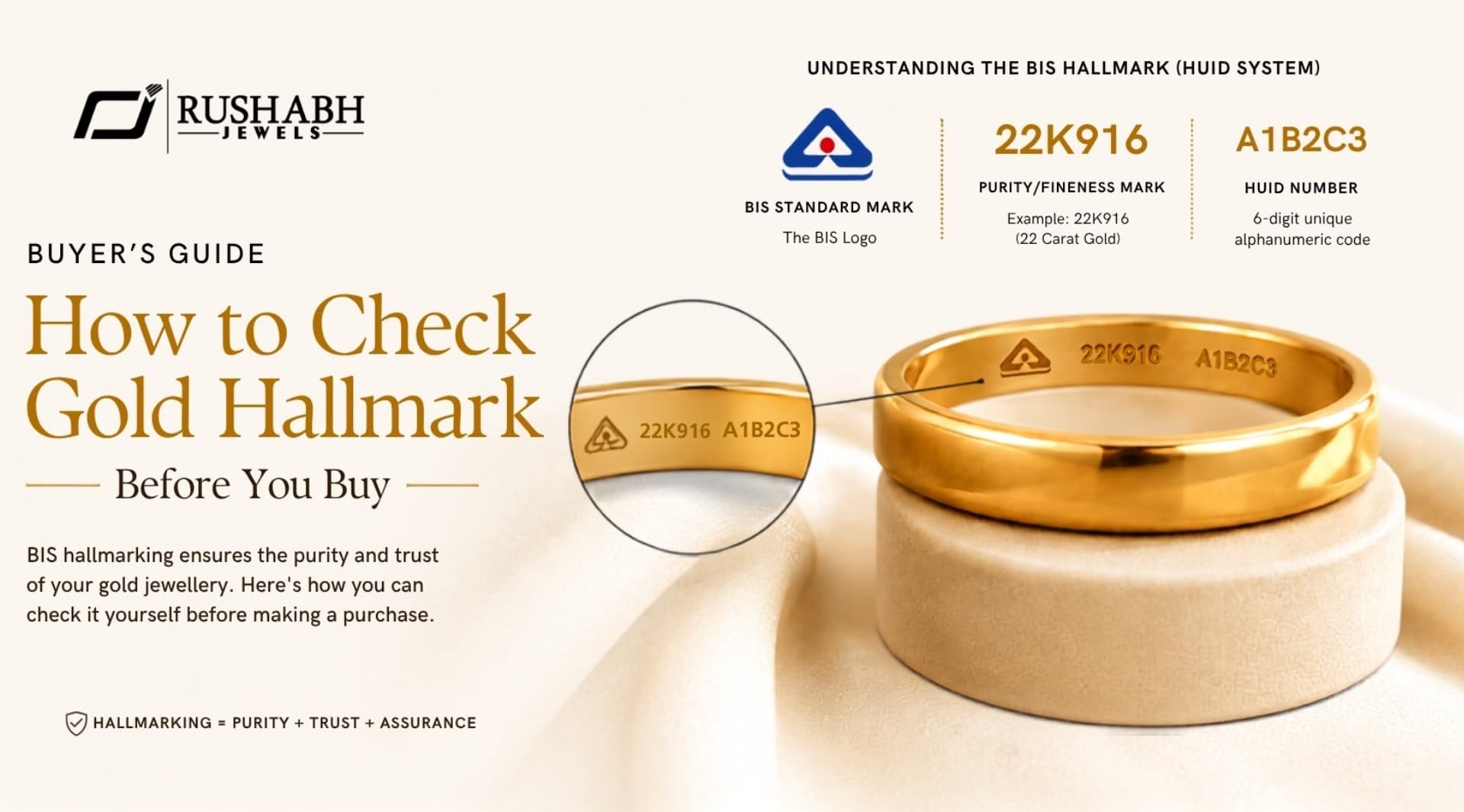
BIS Hallmarking - Every piece should carry a BIS hallmark with the HUID (Hallmark Unique Identification) number. This is non-negotiable in 2026; it's what confirms the exact karatage you're paying for. Ask to see it on the piece itself, not just on the bill.
Making charges - These vary widely between stores and even between designs at the same store. Machine-made lightweight pieces usually carry lower making charges than intricate handcrafted ones. Ask for the breakdown before you finalize anything.
Buyback and exchange policy - Get this in writing. A store that's transparent about resale value upfront is generally a store that stands behind its purity claims.
Certification for stones - If there's a diamond or gemstone involved, look for IGI certification. This matters even more this year with lab-grown diamonds becoming a mainstream choice, since certification is the only way to confirm what you're actually buying.
The Bigger Shift This Year: Lighter, More Wearable Gold
If you've walked into any jewellery store in the last few months, you've probably noticed the shift away from heavy, high-grammage pieces toward lighter, more everyday-wearable designs. This isn't just a passing trend, it's a direct response to gold prices staying elevated. Buyers want pieces that look substantial without the weight and the bill that used to come with it.
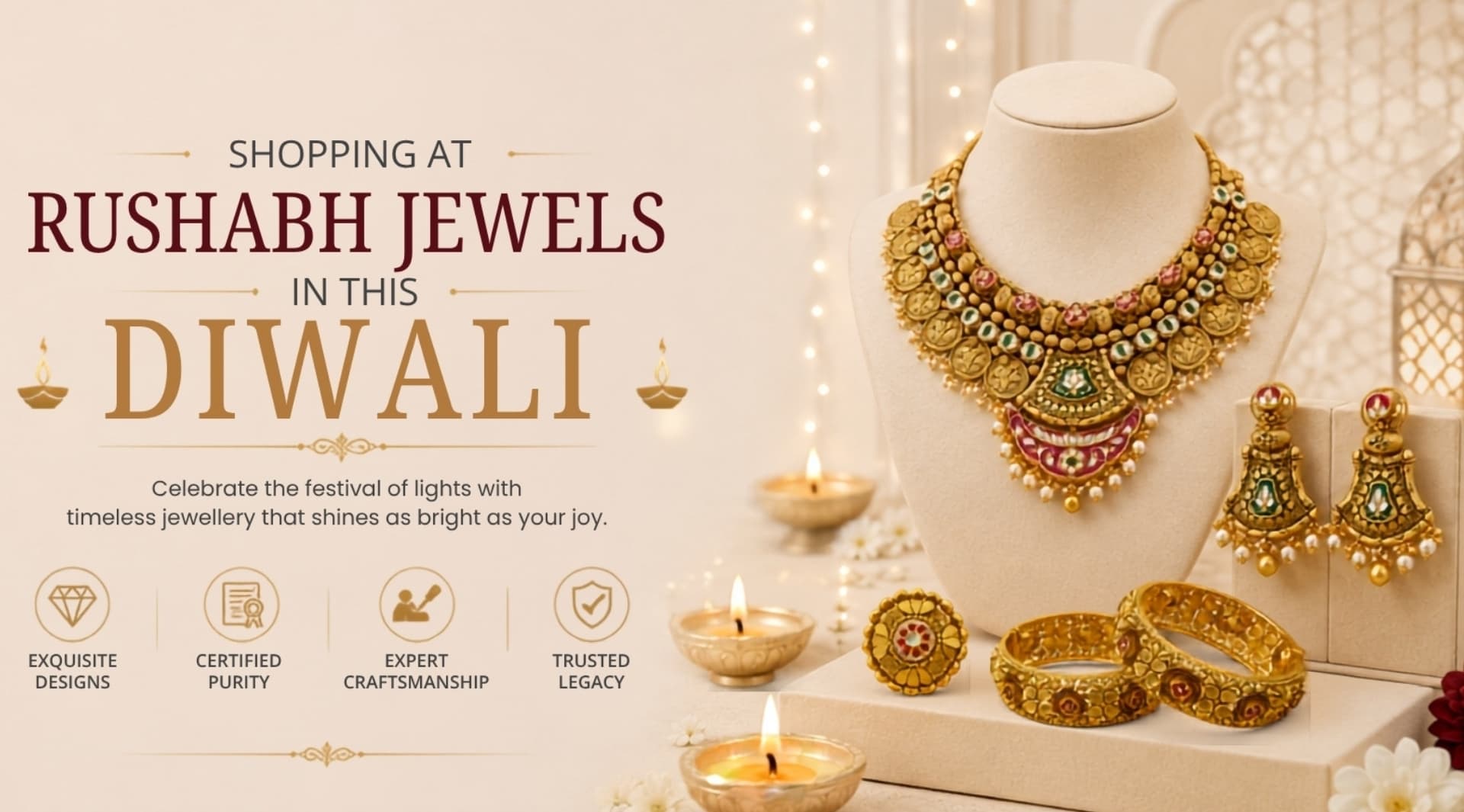
Antique and matte finishes are having a real moment too, alongside a renewed interest in temple-style motifs reworked into smaller, office-friendly pieces. If you're buying for daily wear rather than a big function, this is worth exploring before you default to the heaviest design on display.
For those specifically shopping for the wedding season that typically follows Diwali, it's worth starting that browsing early. Our bridal wedding jewellery guide covers how to plan purchases across multiple ceremonies without blowing the budget on day one.
Gold, Diamond, or Silver - Which One Fits Your Dhanteras List
A lot of buyers assume Dhanteras is strictly a gold-only tradition, but silver and diamond both have a place here too, and picking the right one depends on what you're trying to achieve.
Gold remains the traditional first choice, especially coins, chains, or a simple ring. If prosperity symbolism is the main reason you're buying, this is where most people still start.
Diamond pieces, particularly real diamond jewellery with IGI certification, work well if you're combining the Dhanteras tradition with a bigger occasion like an engagement or anniversary falling around the same time. Lab-grown diamond options have also made this category noticeably more accessible this year without compromising on certification or sparkle.
Silver is the practical choice for smaller budgets or for gifting, particularly coins and utensils, which stay closely tied to the original Dhanteras custom.
There's no rule that says you have to pick just one. Many families buy a small gold coin for tradition and separately invest in a diamond or gold piece they'll actually wear through the season.
Before You Head Out
Dhanteras and Diwali buying doesn't need to be complicated. Decide your budget, confirm the hallmark and certification on whatever you pick, and don't feel pressured to go heavier than what actually suits how you'll wear it. The tradition is about starting the festival season on the right note, not about the grammage on the bill.
Whether you're picking up a coin for tradition or something you'll wear all season, take the time to ask the right questions before you pay. That's really the only rule that matters.